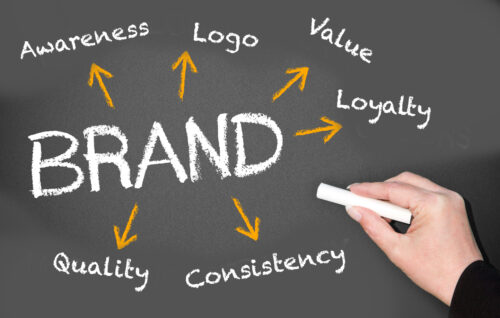
Building brand awareness is the foundation of your marketing efforts – sharing your name in the community, and earning trust, can influence consumers’ decision-making and purchases. Following are ways to help measure brand awareness.

1. Branded Search Volume
Monitor the number of searches about your business:
- The more people who search for your name or variations of it, the more people become aware of your business.
- Use tools for both organic search results and paid search campaigns.
2. Website Traffic
Measure direct and new traffic to provide insight into your brand’s reach:
- Direct traffic refers to users who type your website’s URL into their browser.
- New traffic cites users who visit your site for the first time.
3. Brand Mentions
Chances are good that people are talking about you on the internet:
- Monitor brand-mentions on social media and online publications.
- Set up alerts to get notified every time there are new results for your branded search term.
4. Social-Media Engagement
Social media works along with “word-of-mouth”:
- Understand how well your brand is performing across social-media platforms.
- Measure reach, impressions, mentions, followers, saves, and engagement, using native analytics¹ or social listening tools² on every social platform.
5. Customer Feedback
Satisfied customers are more likely to recommend you to others:
- Good reviews indicate that your business is leaving a positive impression on your customers.
- Less positive reviews highlight opportunities for improvement.
Understand how visible your brand is to your potential customers – from your website to social media to your customer’s entire purchase journey – and your efforts should transform into better customer engagement and increased revenue.
¹Native analytics: built into the back end of social platforms to provide insights on your following and engagement, and the performance of your content. (prnewsonline.com)
²Social listening tools: software that allows users to monitor, track, and analyze social media conversations. (brand24.com)
Source: Young Entrepreneur Council@YEC; Solomon Thimothy, president of OneIMS





 You may have noticed Google My Business (GMB) changed its name to Google Business Profile (GBP). Many local businesses manage their business information through this listing, as it provides easy access for new or existing customers to directly connect with small businesses. But what does this change mean for you?
 Digital marketing is crucial for growing your business: according to a recent study¹, companies are diversifying their spend across paid and owned media and customers are spending more time and resources on owned-media channels such as websites, mobile apps, and customer-service channels.